Can You Start a Shopify Store Without Closing Your Etsy Shop?
By Bold Shelf · 2 min read · November 2, 2026 · Updated November 27, 2026
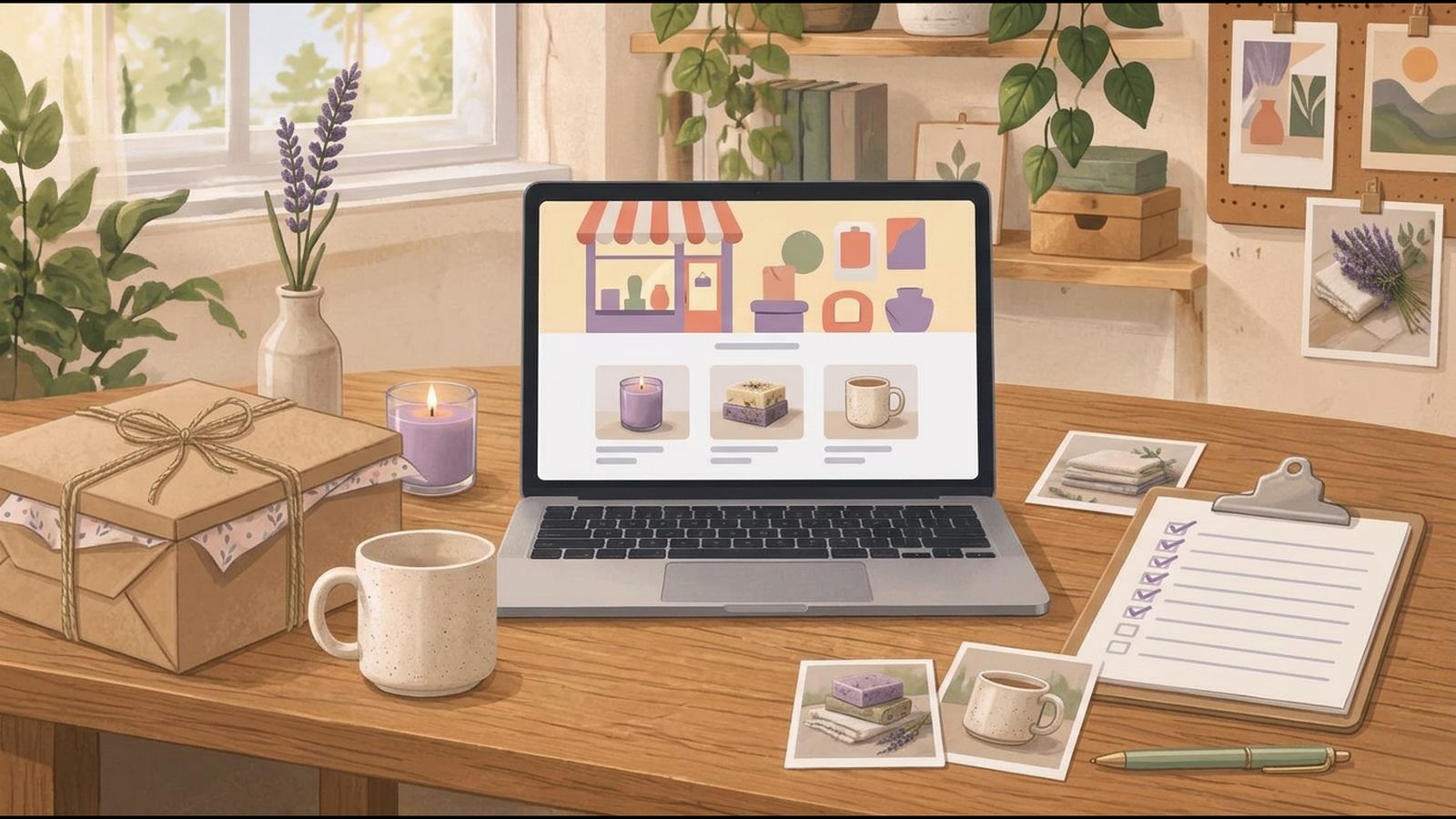
You do not have to treat your next storefront as a dramatic goodbye to Etsy. For some makers, a small Shopify store alongside an established marketplace shop is a more practical experiment.
A free printable for this guide
The Handmade Seller’s Shopify Store Launch Planner
Plan your Shopify store setup step by step, from settings to launch day.
Give each channel a job
A second store is easier to manage when you know why it exists. Your Etsy shop may continue serving marketplace searches, while your own site becomes the destination for people who discover your brand independently.
Write down a purpose for Shopify before importing the whole catalog. Perhaps you need a place for a complete collection, product care information, or future seasonal releases. A specific purpose helps you avoid rebuilding every listing simply because it exists.
Begin with a limited catalog
Choose a small group of products whose information is already reliable. Check measurements, materials, quantities, options, and photos before moving them. A smaller accurate catalog is easier to review than a large import filled with assumptions.
Shopify documents several ways to move product information from Etsy. Treat any import as a starting point: review the resulting drafts, images, variants, and inventory rather than assuming every field transferred correctly.
Decide how shared stock will work
Imagine you have six finished scarves and list six on each site. Unless a reliable process reconciles the two channels, you have offered twelve opportunities to buy six scarves.
You might allocate stock separately, maintain a carefully timed manual count, or evaluate a suitable integration. Choose based on order volume and how quickly you can respond. Test any integration’s handling of cancellations and new variants before depending on it.
This scarf example illustrates an operational problem; it is not a claim that a particular app prevents every oversale.
Build independent discovery respectfully
Create useful pages on your own site and develop permission-based marketing through your own channels. Do not copy Etsy customer details into a marketing list or assume a marketplace purchase is permission for promotional email.
Follow Etsy’s off-platform transactions policy. A transaction initiated on Etsy must not be redirected elsewhere to avoid its rules or fees. Running an additional store and diverting an existing marketplace transaction are different activities.
Review the experiment after a defined period
Pick a reasonable review date and track the work as well as the sales. How much time did stock maintenance take? Which pages attracted relevant visitors? Did shoppers find the product details they needed?
Keep the catalog small while you learn. You can expand after your workflow feels reliable; there is no need to migrate everything on the first weekend.
The free Store Launch Planner gives you a place to organize the setup. For the listing work itself, start with our beginner’s product guide. If you want to see how your own product information could become a prepared draft, request a Free Listing Preview.
Want help getting your products listed?
Bold Shelf prepares organized Shopify listings from the details and photos you already have. Start with a free preview, or look through our listing packages and monthly plans.
Keep reading
Etsy vs. Shopify for Handmade Sellers: Which Fits Your Next Step?
Compare marketplace discovery with running your own handmade storefront, including traffic, costs, daily work, and a practical readiness check.
2 min read
How to Organize Products Into Shopify Collections
Give handmade products a clear place to belong with practical collection examples, current editor guidance, selection rules, and a final browsing checklist.
7 min read
Shopify Setup Checklist for Handmade Business Owners
Organize your handmade store launch with a practical checklist for product preparation, shop pages, delivery settings, checkout testing, and final review.
7 min read