Etsy vs. Shopify for Handmade Sellers: Which Fits Your Next Step?
By Bold Shelf · 2 min read · October 26, 2026
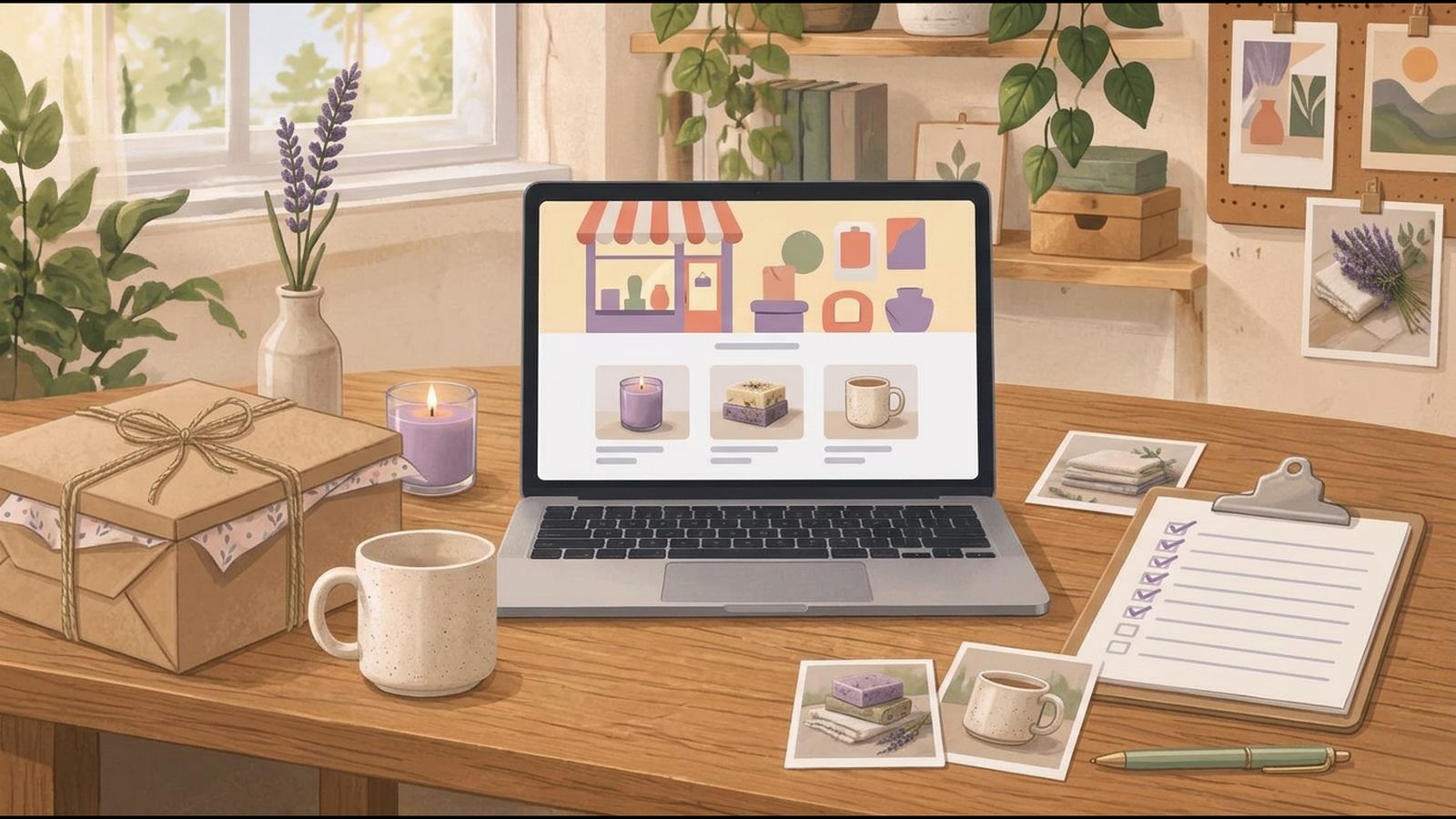
An Etsy shop can give your handmade business a place to begin. A Shopify store can give your brand more room to grow. Choosing between them starts with what your business needs next—not which platform gets the loudest recommendation.
A free printable for this guide
The Handmade Seller’s Shopify Store Launch Planner
Plan your Shopify store setup step by step, from settings to launch day.
The difference that matters first
Etsy is a marketplace where shoppers can search across many sellers. Shopify provides tools for operating your own storefront. You decide how to present your catalog, but you also need a plan for attracting people to it.
That makes “Which one is cheaper?” an incomplete question. A store with a smaller fee on each order can still require more spending or time to bring in those orders. Start with the whole business, including marketing and maintenance.
Compare the work you will actually do
Think through four ordinary tasks before deciding:
- Getting discovered: How do new shoppers currently find you? Would those visits continue if your Etsy listings disappeared?
- Presenting the brand: Do you need your own navigation, educational pages, or a more deliberate collection layout?
- Managing products: Can you maintain accurate photographs, descriptions, options, and quantities in another store?
- Paying for the setup: Allow for the subscription, domain, optional apps, payment processing, and your time. Check current official prices instead of relying on an old comparison chart.
Shopify can be useful when a maker wants a central home for a growing collection and is ready to work on independent discovery. Etsy may remain useful for marketplace shoppers. Keeping both is also an option, provided the extra administration fits your capacity.
Example scenario: a small pottery business
Imagine a potter selling mugs through Etsy and local markets. Shoppers at markets regularly ask where they can see the next kiln opening. The maker has a recognizable name, product photos, and permission-based email subscribers.
A small Shopify collection could give those interested shoppers one place to return. That is a concrete reason to build a store. It is different from opening a website and hoping unfamiliar visitors arrive automatically. This is an illustrative scenario, not a client result or sales prediction.
A simple readiness check
Write one sentence for each of these:
- My first visitors could come from ___ .
- My first collection would contain ___ .
- I can spend ___ each month and ___ hours each week maintaining it.
- I will judge the first stage by ___ .
Useful early measures include published products, relevant search impressions, and genuine inquiries. A new site does not need an inflated revenue promise to have a sensible purpose.
Start with the store you can maintain
If you are still deciding, use the free Store Launch Planner attached to this guide. It helps turn “I need a website” into a manageable preparation list.
Once you have chosen Shopify, our setup checklist covers the practical groundwork. Bold Shelf can help prepare organized product listings from your supplied information and usable photos. A Free Listing Preview lets you see that part of the process with one product.
Want help getting your products listed?
Bold Shelf prepares organized Shopify listings from the details and photos you already have. Start with a free preview, or look through our listing packages and monthly plans.
Keep reading
Can You Start a Shopify Store Without Closing Your Etsy Shop?
Plan a manageable second sales channel with a small catalog, separate traffic goals, and a clear inventory routine.
2 min read
How to Organize Products Into Shopify Collections
Give handmade products a clear place to belong with practical collection examples, current editor guidance, selection rules, and a final browsing checklist.
7 min read
Shopify Setup Checklist for Handmade Business Owners
Organize your handmade store launch with a practical checklist for product preparation, shop pages, delivery settings, checkout testing, and final review.
7 min read